Yes. Most drivers don’t know it. Here is what California...
Read More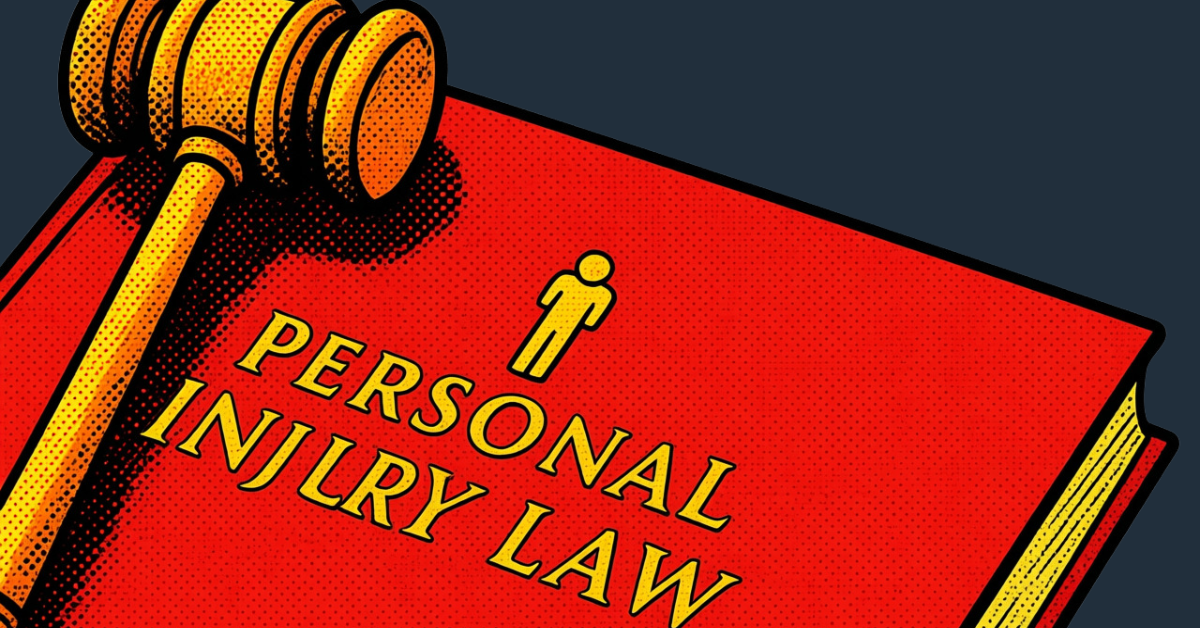
What Is Personal Injury Law? A Beginner’s Guide
If you or a loved one has been hurt because of someone else’s careless or reckless actions, you may have the right to file a personal injury claim. Understanding the basics of personal injury law is the first step toward protecting your rights and getting the compensation you deserve.
What Does Personal Injury Law Cover?
Personal injury law gives injured people the legal right to seek financial compensation from the party responsible for causing them harm. The law applies to a wide variety of incidents, including:
- Car, truck, and motorcycle accidents
- Slip and fall accidents on dangerous property
- Medical malpractice and surgical errors
- Dog bites and animal attacks
- Defective or dangerous products
- Workplace accidents and construction injuries
The Four Elements of a Personal Injury Claim
To win a personal injury case in California, your attorney must typically prove four key elements:
1. Duty of Care
The defendant had a legal obligation to act reasonably to avoid harming others. For example, every driver on California roads owes a duty of care to other motorists, cyclists, and pedestrians.
2. Breach of Duty
The defendant failed to meet that standard of care. An example can be running a red light, texting while driving, or failing to fix a known hazard on their property.
3. Causation
The breach directly caused your injuries. California courts require a clear link between the defendant’s negligence and the harm you suffered.
4. Damages
The incident directly cost you money or impacted your well-being. This includes out-of-pocket costs like medical bills and property repairs, as well as lost pay and emotional distress.
What Compensation Can You Receive?
California personal injury victims may be entitled to two main types of compensation:
Economic Damages
- Medical expenses (past and future)
- Lost wages and reduced earning capacity
- Property repair or replacement costs
- Out-of-pocket expenses related to the injury
Non-Economic Damages
- Pain and suffering
- Emotional distress
- Loss of enjoyment of life
- Loss of consortium
How Long Do You Have to File a Claim?
In California, the statute of limitations for most personal injury cases is two years from the date of the injury (California Code of Civil Procedure § 335.1). Missing this deadline almost always means losing your right to compensation, so act quickly.
 Legal Disclaimer: This content is provided for general informational purposes only and does not constitute legal advice. Laws may change; always consult a qualified California personal injury attorney for advice about your specific situation. Use of this website does not create an attorney-client relationship. Act Now Injury Law serves clients throughout California.

Emotional Distress Damages in California: What You Can Claim After a Personal Injury
A serious injury does more than hurt your body. California...
Read More
California Right-of-Way Rules Every Driver Must Know
California Right-of-Way Rules Every Driver Must Know Right-of-way violations are...
Read More
Gap Insurance: What it Is and Why You May Need It.
If your car is totaled and your insurer pays less...
Read More