Yes. Most drivers don’t know it. Here is what California...
Read More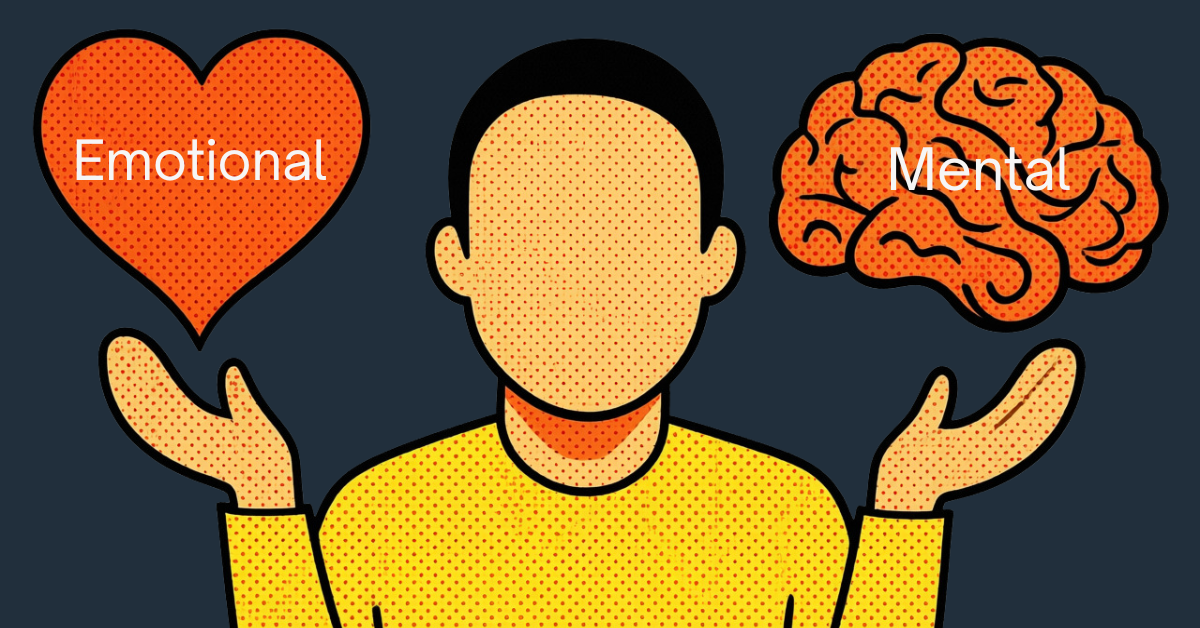
Emotional Distress Damages in California: What You Can Claim After a Personal Injury
A serious injury does more than hurt your body. California law gives you the right to seek compensation for the emotional and psychological harm too.
When most people think about a personal injury claim, they think about hospital bills, physical therapy, and lost wages. But a serious injury does far more than damage your body. It can disrupt your sleep. Anxiety and depression often follow. Relationships suffer under the strain. Long after your physical wounds heal, your sense of safety may never feel the same.
Emotional distress damages in California are real, recognized, and fully recoverable under state law. Someone else’s negligence injured you. Because of that, you can claim compensation for your psychological suffering — not just your medical expenses.
This guide explains what emotional distress damages are. It also covers what qualifies under California law, how to prove your claim, and what to do so nothing gets left on the table.
What Are Emotional Distress Damages in California?
California personal injury law divides damages into two main categories. Understanding the difference is the first step to knowing what you can claim.
Economic Damages
Economic damages cover losses that are easy to calculate. These include medical bills, future medical care costs, lost wages, reduced earning capacity, and property damage. You support these claims with receipts, invoices, pay stubs, and medical records.
Non-Economic Damages
Non-economic damages cover losses that are harder to put a number on. However, they are just as real and just as compensable. Emotional distress damages fall into this category. So do pain and suffering, loss of enjoyment of life, and loss of consortium.
California law allows injury victims to claim both types of damages in the same case. You do not have to choose between them. A serious injury typically causes both economic and non-economic harm. Therefore, your claim should reflect the full picture.
What Qualifies as Emotional Distress in a California Injury Case?
Emotional distress is not simply feeling sad or stressed after an accident. Under California law, it refers to genuine psychological harm. That harm must result from the injury or the traumatic event that caused it. Specifically, courts look for documented, diagnosable conditions — not temporary upset.
Post-Traumatic Stress Disorder
In fact, PTSD is one of the most commonly claimed forms of emotional distress after a serious accident. Symptoms include flashbacks, nightmares, severe anxiety, and hypervigilance. These symptoms are triggered by the accident or anything associated with it. Furthermore, a formal PTSD diagnosis from a licensed mental health professional significantly strengthens your claim.
Anxiety and Panic Attacks
Many accident survivors develop anxiety disorders after a crash. For example, some develop a fear of driving. Others fear returning to the location where the accident occurred. Generalized anxiety that disrupts daily life is also a compensable form of emotional harm in California.
Clinical Depression
A serious injury can take away your independence, your mobility, and your ability to do the things you love. That loss often leads to clinical depression. When depression connects directly to an injury or accident, it qualifies as a non-economic damage.
Sleep Disorders and Chronic Insomnia
Trauma and ongoing pain frequently cause chronic sleep disruption. Insomnia and nightmares are emotional distress symptoms that courts take seriously. In addition, inability to rest over a long period can worsen other psychological conditions.
Loss of Enjoyment of Life
This is a separate and distinct category from pain and suffering. Specifically, loss of enjoyment of life refers to your inability to participate in hobbies, activities, and experiences that brought you joy before the accident. If your injury permanently or significantly reduced your quality of life, you can claim this as a standalone damage.
Loss of Consortium
Loss of consortium refers to the harm your injury causes to your personal relationships. It applies particularly to your marriage or domestic partnership. If your injury damaged your ability to provide companionship, affection, or support to a spouse or partner, California law allows you to claim that harm as compensation.
Do You Need a Physical Injury to Claim Emotional Distress?
In most California personal injury cases, yes. Courts generally require a connection between your emotional distress claim and a physical injury. However, there are two important exceptions.
Direct Victim With No Physical Injury
California law recognizes that severe emotional distress can sometimes warrant compensation even without a physical injury. This applies when the defendant’s negligent or intentional conduct directly caused the emotional harm. In addition, that harm must be substantial — not minor or fleeting.
Bystander Claims
A bystander who witnesses a close family member suffer a serious injury or death may also have a valid emotional distress claim. This is true even if the bystander was not physically harmed. However, California courts apply a specific test to these cases. First, the claimant must have been present at the scene. Second, they must have witnessed the event directly. Finally, they must be closely related to the injured person.
If you are unsure whether your situation qualifies, speak with a personal injury attorney. Bystander claim rules are nuanced. An attorney can assess your specific circumstances and advise you accordingly.
How to Prove Emotional Distress Damages in California
Emotional distress is harder to prove than a broken bone or a hospital bill. But it is absolutely provable. The stronger your documentation, the stronger your case.
Seek Mental Health Treatment Right Away
The single most important step is to get a professional evaluation immediately after your accident. A licensed psychologist, psychiatrist, or therapist creates an official medical record of your condition. That record also connects your emotional distress directly to the accident. Without it, your claim loses its foundation.
Keep a Detailed Personal Journal
Write down how you feel every day. Document your symptoms, your sleep patterns, and your anxiety triggers. Also record the activities you can no longer do. As a result, a consistent, detailed journal carries real weight in negotiations and at trial.
Gather Supporting Statements
Ask family members, close friends, and coworkers to describe how your behavior changed after the accident. These statements show how your personality and daily life shifted because of your injury. Attorneys refer to these as lay witness statements. They are valuable supporting evidence.
Save All Medical and Therapy Records
Keep every receipt, invoice, and treatment record related to your mental health care. This includes therapy sessions, psychiatric consultations, and prescribed medications. It also includes any in-patient or out-patient mental health treatment.
Work With Your Attorney to Quantify the Damage
Non-economic damages do not come with a fixed price tag. Instead, your attorney works with medical experts to assign a fair dollar value to your emotional distress. That process involves reviewing the severity of your condition, the expected duration of treatment, and the impact on your daily life.
How Insurance Companies Handle Emotional Distress Claims
Insurance companies often push back hard on emotional distress claims. They prefer to pay only what is easy to document — medical bills and lost wages. Furthermore, insurers know that many claimants do not understand the full scope of what they can claim.
Common Tactics Insurers Use
Insurance adjusters may tell you that emotional distress is not covered. They may say your symptoms are not serious enough. They may also demand unreasonable levels of proof. However, these are negotiating tactics. They do not accurately reflect California law.
Why an Attorney Makes a Difference
An experienced California personal injury attorney knows exactly what you can claim. Your attorney makes sure that emotional distress damages appear in every demand letter and every settlement negotiation. Without legal representation, many injury victims accept settlements that only cover their medical bills. As a result, they leave significant compensation unclaimed.
How Much Are Emotional Distress Damages Worth in California?
There is no fixed formula for calculating emotional distress damages in California. Instead, courts and juries consider several factors when determining a fair award.
- Severity — a diagnosed PTSD condition is worth more than temporary distress
- Duration — chronic, ongoing symptoms result in higher awards than short-term conditions
- Impact on daily life — the more your condition limits your ability to work and socialize, the higher the potential award
- Connection to the injury — a clear, documented link between the accident and your emotional condition strengthens your claim
- Quality of documentation — therapy records, expert testimony, and personal journals all increase the credibility and value of your claim
In severe cases involving catastrophic injuries or PTSD, emotional distress awards in California can reach hundreds of thousands of dollars.
Frequently Asked Questions About Emotional Distress Claims
Can I claim emotional distress without going to therapy?
You can try, but it will be much harder. A professional diagnosis creates the foundation of your claim. Without it, the opposing insurer will argue that your symptoms are not serious or verifiable. Therefore, seeking treatment is both the right move for your health and the smartest move for your case.
How long do I have to file an emotional distress claim in California?
In California, the statute of limitations for personal injury claims is generally two years from the date of the accident. If you miss this deadline, you lose your right to compensation. Do not wait.
Can emotional distress damages appear in a car accident settlement?
Yes. Emotional distress damages are fully compensable in California car accident cases. Indeed, they form part of the non-economic damages in any personal injury settlement. Your attorney will document them and include them in your demand.
What if my emotional distress developed months after the accident?
This is common. PTSD, depression, and anxiety do not always appear right after a traumatic event. California law recognizes delayed onset. However, you must show a clear connection between your condition and the accident. Prompt treatment and documentation are therefore critical.
Do Not Settle for Less Than You Deserve
A personal injury does not just hurt your body. It can upend your mental health and damage your relationships. It can also reduce your quality of life for years to come.
Emotional distress damages in California exist because the law compensates the whole person — not just the physical injuries that are easy to see and price. Do not accept a settlement that only covers your medical bills. Your claim should include every dollar you are owed — for your pain, your suffering, your anxiety, your sleepless nights, and every part of your life this injury affected.
This article is for general informational and educational purposes only. It does not constitute legal advice. Reading this content does not create an attorney-client relationship. Laws vary by jurisdiction and are subject to change. For legal advice specific to your situation, consult a licensed California personal injury attorney.
Facebook
Pinterest
X
Email
Print
More Recommended Articles

Emotional Distress Damages in California: What You Can Claim After a Personal Injury
A serious injury does more than hurt your body. California...
Read More
California Right-of-Way Rules Every Driver Must Know
California Right-of-Way Rules Every Driver Must Know Right-of-way violations are...
Read More
Gap Insurance: What it Is and Why You May Need It.
If your car is totaled and your insurer pays less...
Read More